What Causes Low Water Pressure and How to Fix It
Weak showers and slow-filling faucets are more than an annoyance — they can signal hidden plumbing problems. Learn what causes low water pressure and how to fix it.
Read article →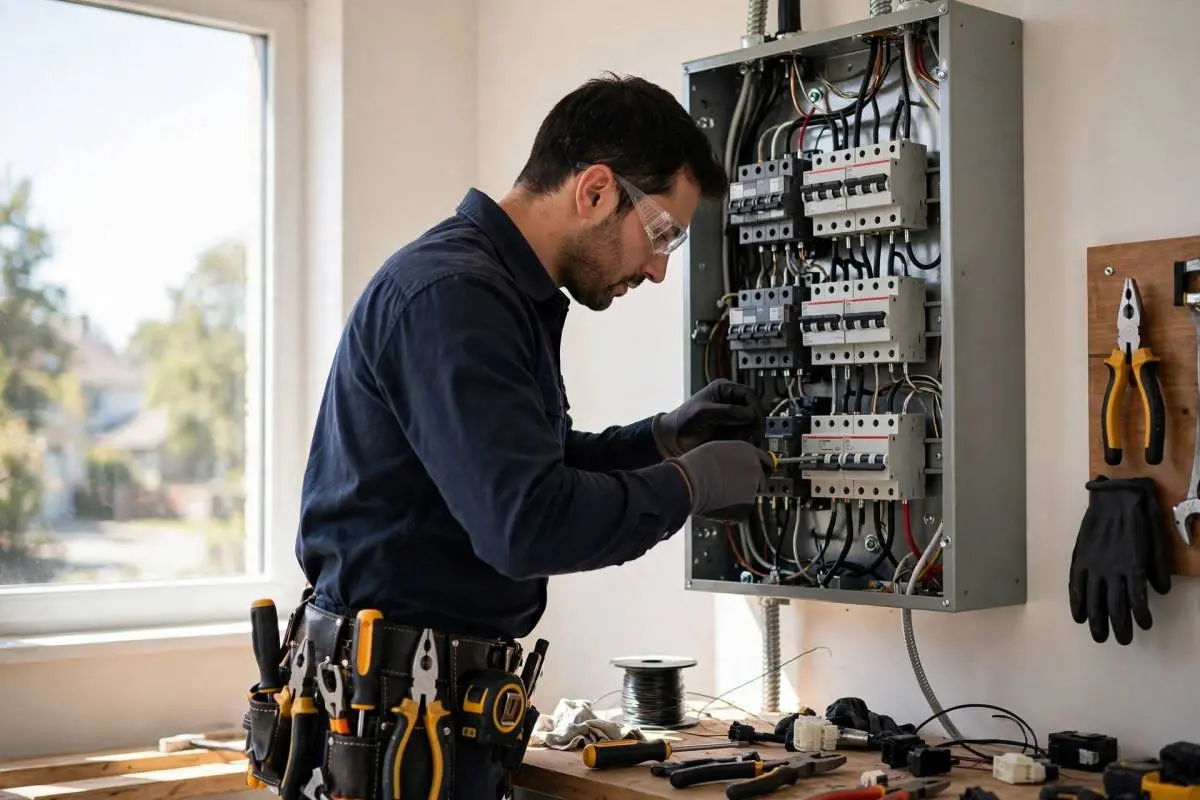
If your home was built before the 1950s, there is a good chance its walls hide a wiring method called knob and tube. It was the standard way to wire houses from the 1880s through the 1940s: individual hot and neutral wires run separately through porcelain tubes where they pass through framing, and held aloft by porcelain knobs. In its day it was clever engineering. The problem is that it was designed for a world of a few light bulbs per room, not for modern life, and after 70-plus years, time has not been kind to it.
The biggest danger is that knob-and-tube wiring has no ground wire. Modern three-prong outlets and appliances expect that ground path for safety, and without it, a fault can energize a metal appliance case with no safe path for the current. The rubber insulation used back then also becomes brittle and crumbles with age, leaving bare conductors exposed inside walls and attics. Worse, over the decades many of these systems were modified by amateurs, with improper splices buried in walls that were never meant to be touched again.
The single most dangerous situation is also depressingly common: insulation blown or laid over knob-and-tube wiring. This wiring was designed to dissipate heat into open air, and burying it under insulation traps that heat, creating a genuine fire hazard. Building codes in most areas now prohibit covering it with insulation, which puts owners of older homes in a bind: they cannot properly insulate the attic without dealing with the wiring first. Add in overloaded circuits from modern appliances, and you have a system operating far outside its design limits.
Insurance is the other headache. Many insurers will not write a new policy on a home with active knob-and-tube wiring, and those that do often charge significantly more. Home sales fall through over it regularly when the buyer's inspector flags it. If you suspect your home has it, look in the attic or basement for wires running on white porcelain knobs, with porcelain tubes where they pass through joists. A two-wire system with no ground and old fabric-covered conductors is the classic signature. An electrician can confirm what you have and whether it is still energized, since some old wiring was abandoned in place during partial upgrades.
Replacement options come down to scope. A full rewire replaces every circuit with modern grounded cable, usually run through attics, basements, and crawl spaces with minimal wall damage, though plaster walls in very old homes can make fishing wires labor-intensive. A partial rewire tackles the worst sections first, such as the attic or an overloaded kitchen, which can make sense on a tight budget. For a typical older home, a full rewire generally costs $8,000 to $15,000 depending on size, access, and local rates. It is not cheap, but it is also the fix that ends the insurance problem and the fire risk in one stroke.
Timing matters. The smartest moment to rewire is during a renovation, when walls are already open. If you are planning a bathroom remodeling project or a kitchen update in an older home, budget for the electrical work in the same project; opening finished walls twice is the most expensive way to do it. Until the rewire happens, do not cover old wiring with insulation, avoid loading those circuits with space heaters and other heavy appliances, and have any visibly damaged sections repaired promptly rather than waiting.
This is not a DIY project under any circumstances. Rewiring requires permits, inspections, and someone who understands how to safely retire old circuits and bring the panel up to modern code, which often means a panel upgrade at the same time. Get quotes from licensed electricians who have specific experience with old houses, ask for references, and make sure the quote includes patching plans and permit costs. Done right, a rewire is a once-in-a-lifetime upgrade that makes an old house as electrically safe as a new one.
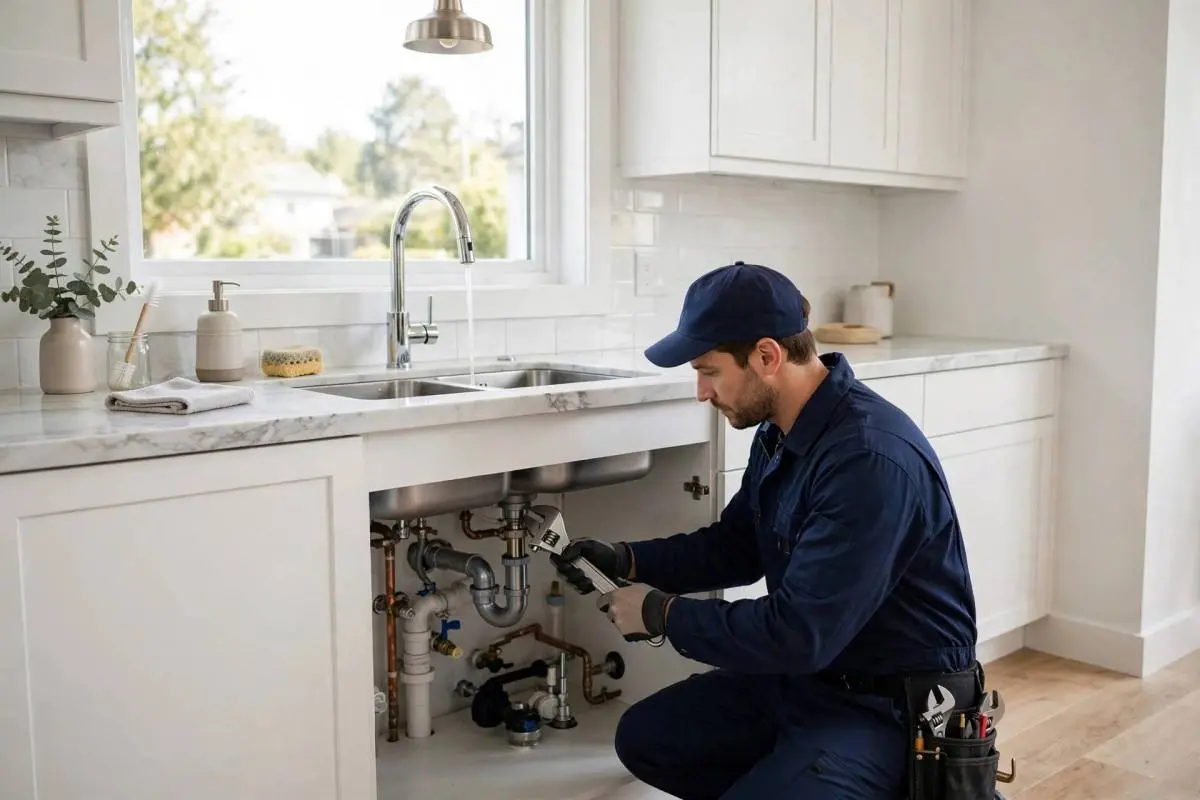
Weak showers and slow-filling faucets are more than an annoyance — they can signal hidden plumbing problems. Learn what causes low water pressure and how to fix it.
Read article →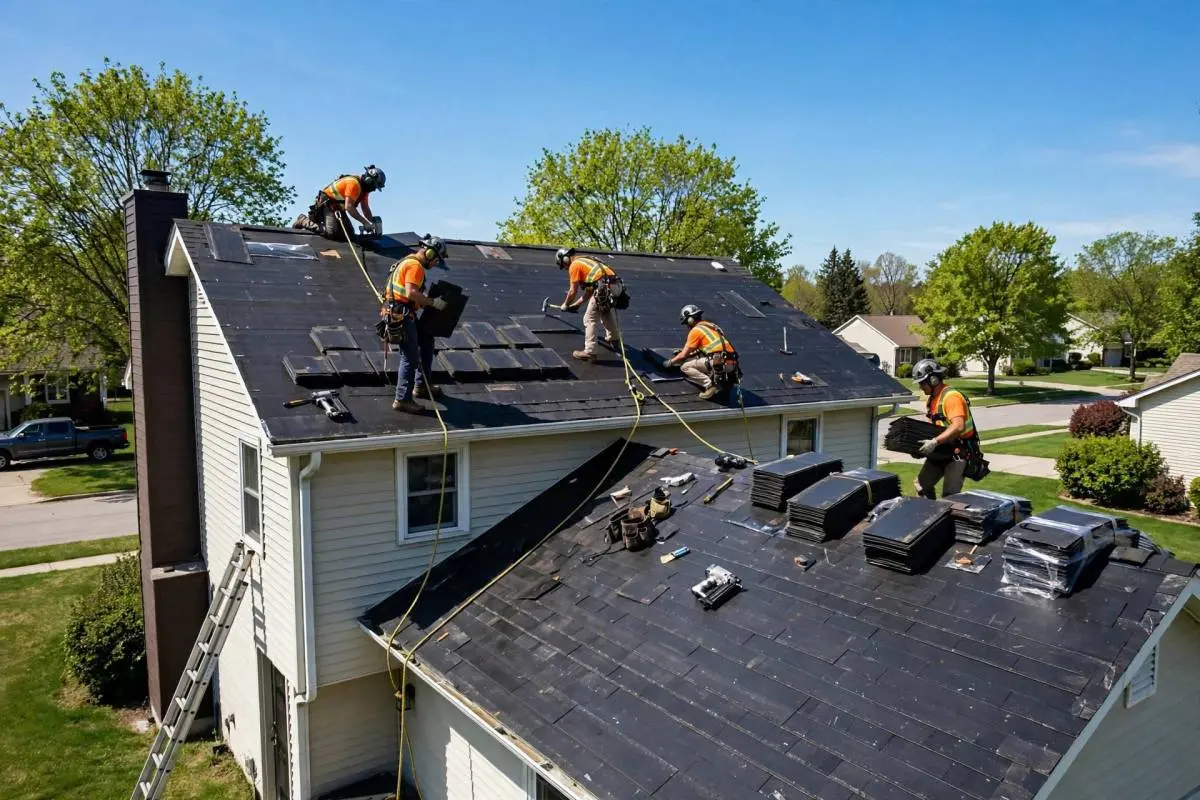
After hail, high winds, or a hurricane, a quick inspection can catch roof damage early. Use this step-by-step checklist before small problems become costly leaks.
Read article →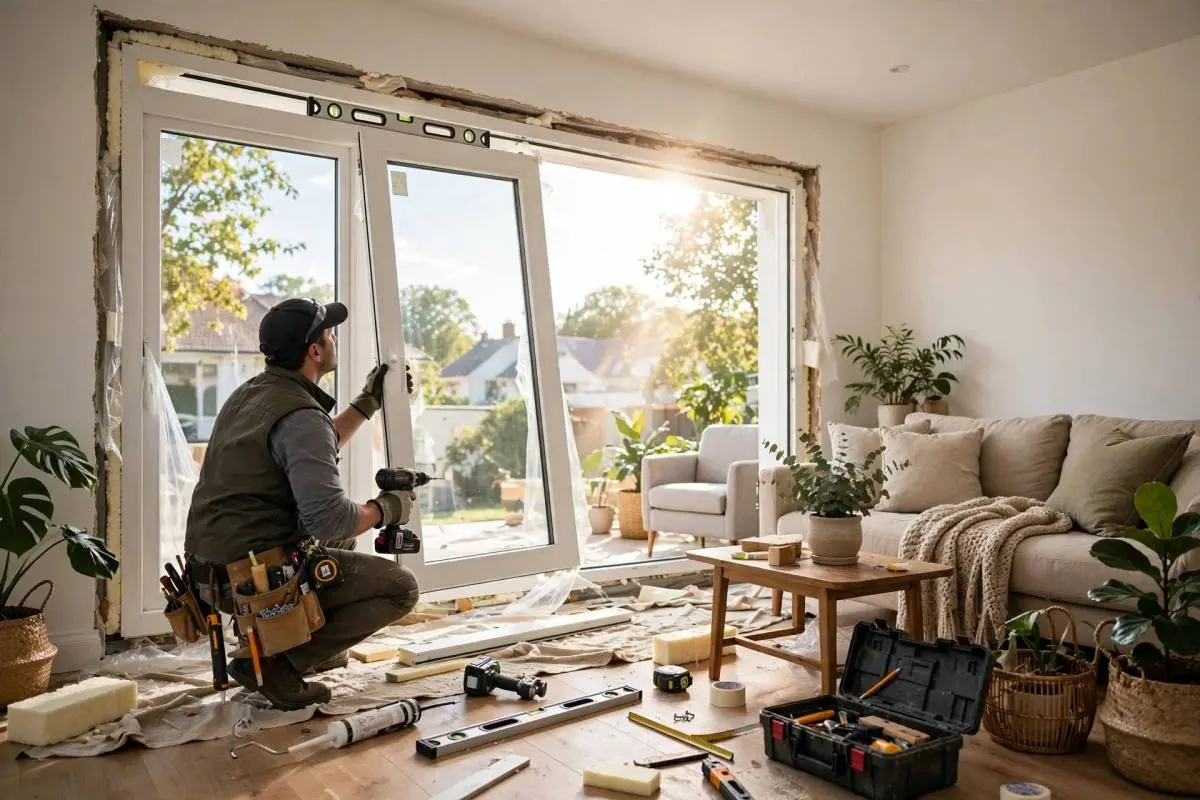
Triple-pane windows insulate better and hush outside noise — but cost 10–20% more. Learn when the upgrade pays off and when double-pane is the smarter buy.
Read article →Emergency? We answer 24/7 and dispatch the nearest certified technician — most arrivals in under 60 minutes.